Start here
The short answer
For a fiddle-leaf fig, check the growing conditions before increasing fertilizer. Leaf drop or brown spots do not establish a nutrient shortage. Use Noot only as an appropriate, correctly diluted part of the plant’s normal watering routine.
Start with the place where the fig lives
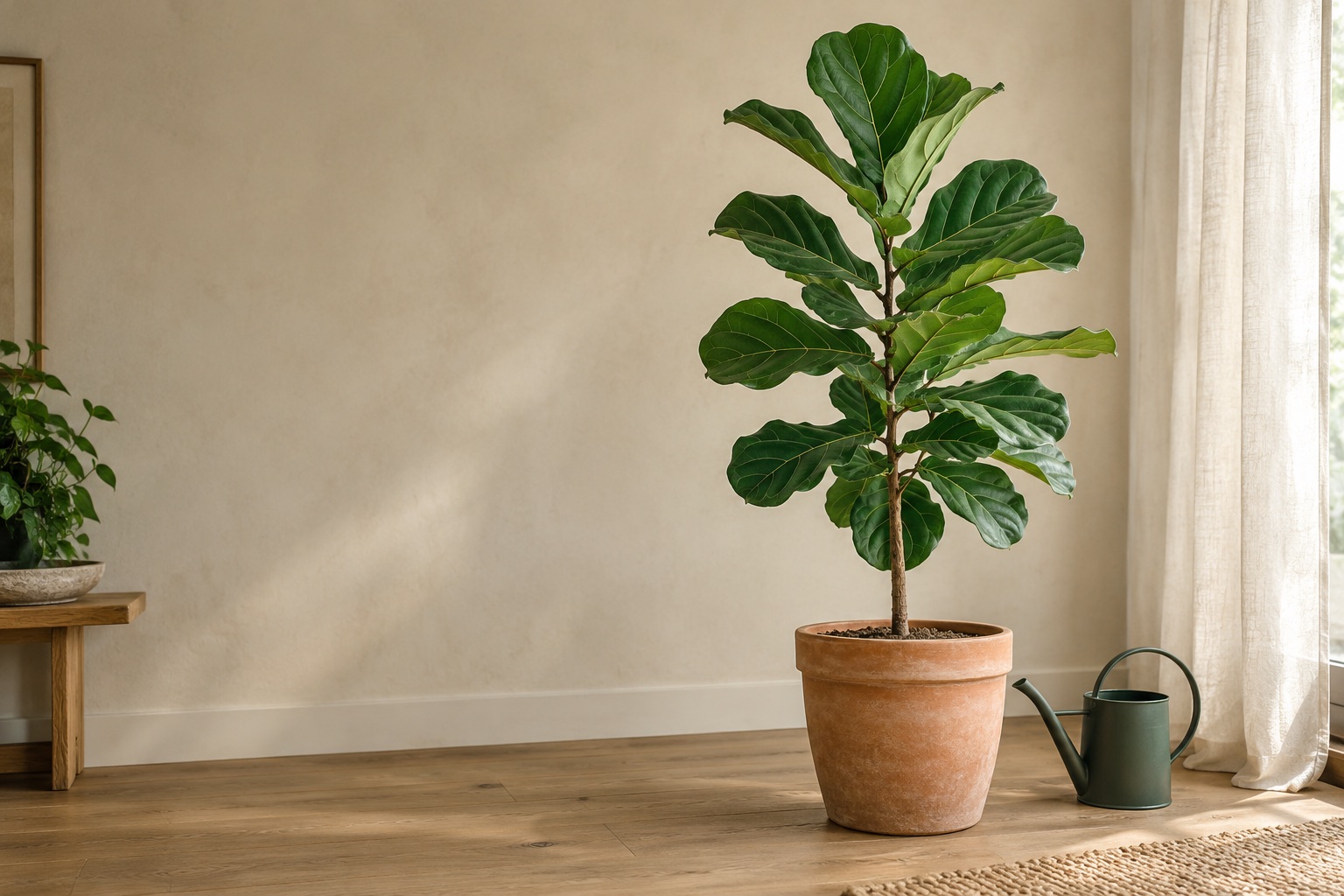
North Carolina Extension describes Ficus lyrata as a plant for bright, indirect light and well-drained growing conditions, with sensitivity to overwatering. Its guidance also lists temperature changes and watering problems among possible contributors to leaf symptoms. Illinois Extension likewise emphasizes a suitable bright location and drainage for this large houseplant.
Before changing plant food, write down any recent move, heating or cooling change, or new container. A feeding plan is more useful when it starts with that context.
Sources: North Carolina Extension Gardener Plant Toolbox · University of Illinois Extension
Make a large planter easy to inspect
A tall decorative pot can make the plant look finished while hiding the inner nursery pot and runoff. Plan how you will access that space before watering. If the plant is too heavy to move safely on your own, arrange help or an accessible setup instead of tipping it unpredictably.
Keep the inspection practical: see where water exits, check inside the outer container and record the state of the growing medium. A fixed location can still have a clear watering workflow; it does not need an automatic amount poured in every week.
Decide whether feeding is the next useful step
Missouri Extension cautions against using fertilizer to force growth in poor conditions and notes that yellowing or weak growth can also follow low light or overwatering. Its general houseplant advice ties fertilizing to active growth and the product’s instructions.
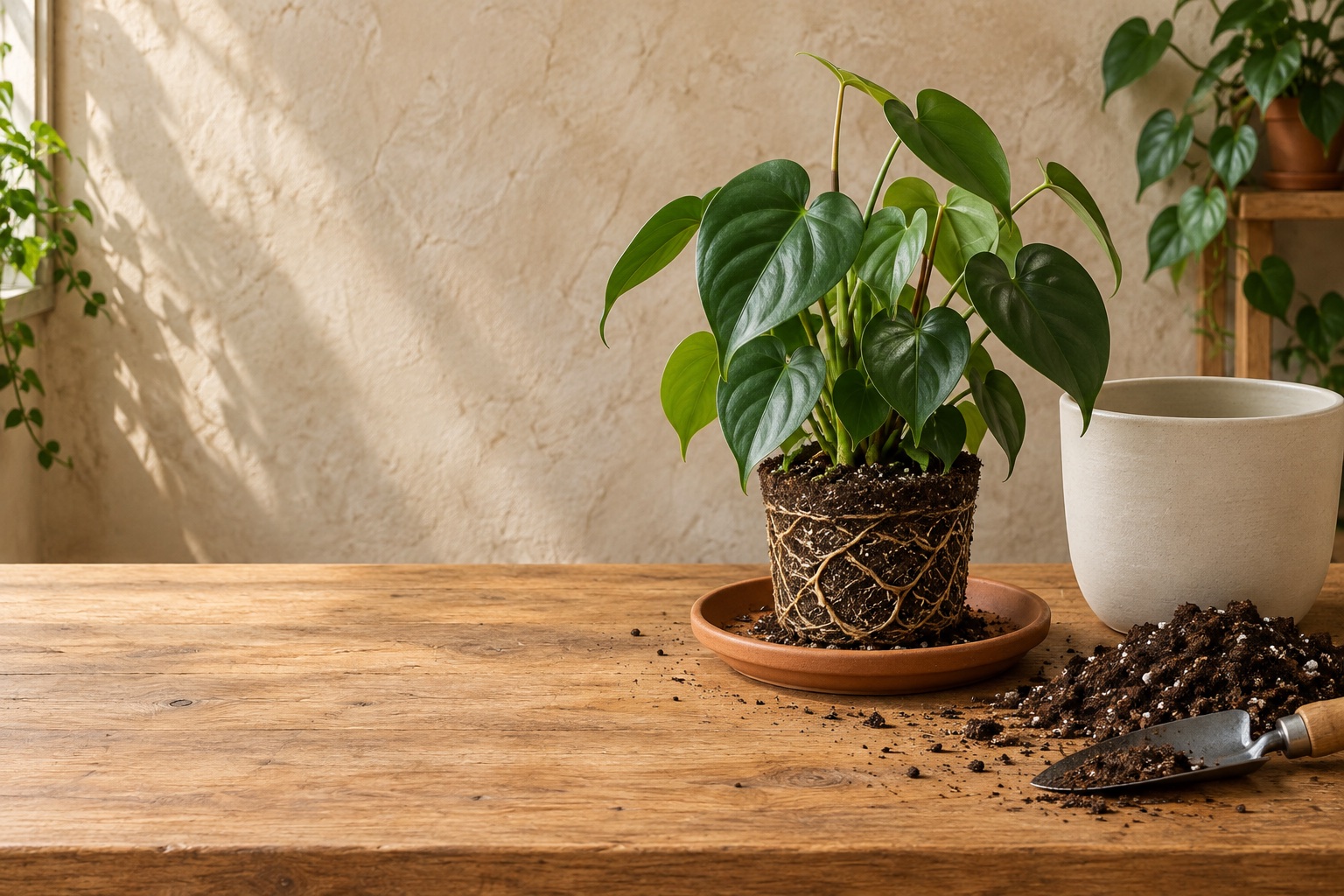
For a newly acquired fiddle-leaf fig, ask what fertilizer it received at the nursery. For a recently repotted one, read the mix label. These details can answer whether a feeding program is already underway before you add your own.
Sources: University of Missouri Extension
Use a measured Noot watering when appropriate
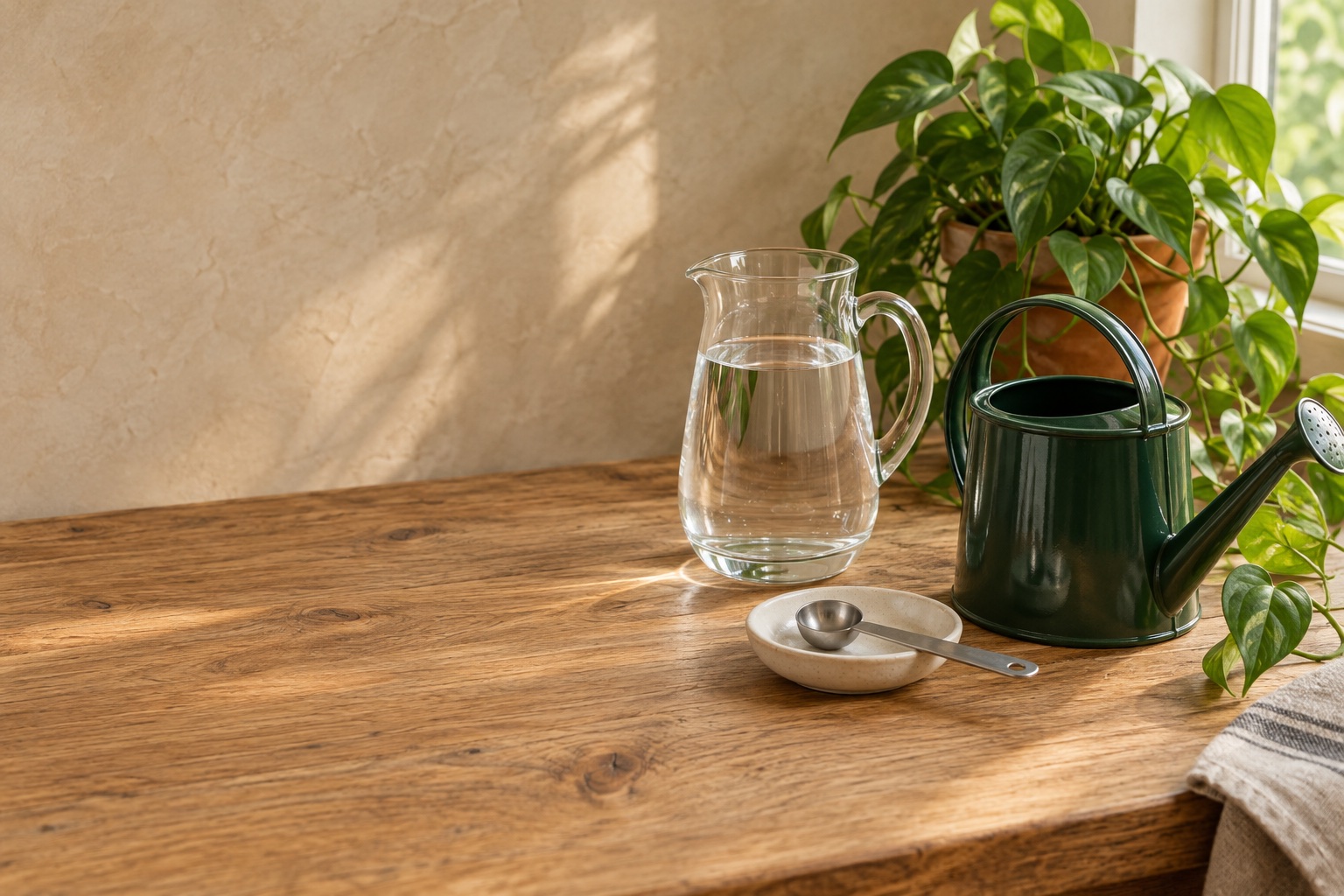
Check your variety in the plant finder and follow the current Noot label. The dilution is one teaspoon in half a gallon of water. Never pour concentrate directly into the pot or make the mixture stronger because the plant is tall. Use diluted Noot during normal watering, guided by the plant’s needs.
If your container requires more mixed water, scale the same ratio using a known water volume. Keep the product measure separate from the amount the pot needs on that occasion. You do not need to use an entire prepared batch on one plant.
Sources: Noot
Record the whole plant, not just one marked leaf
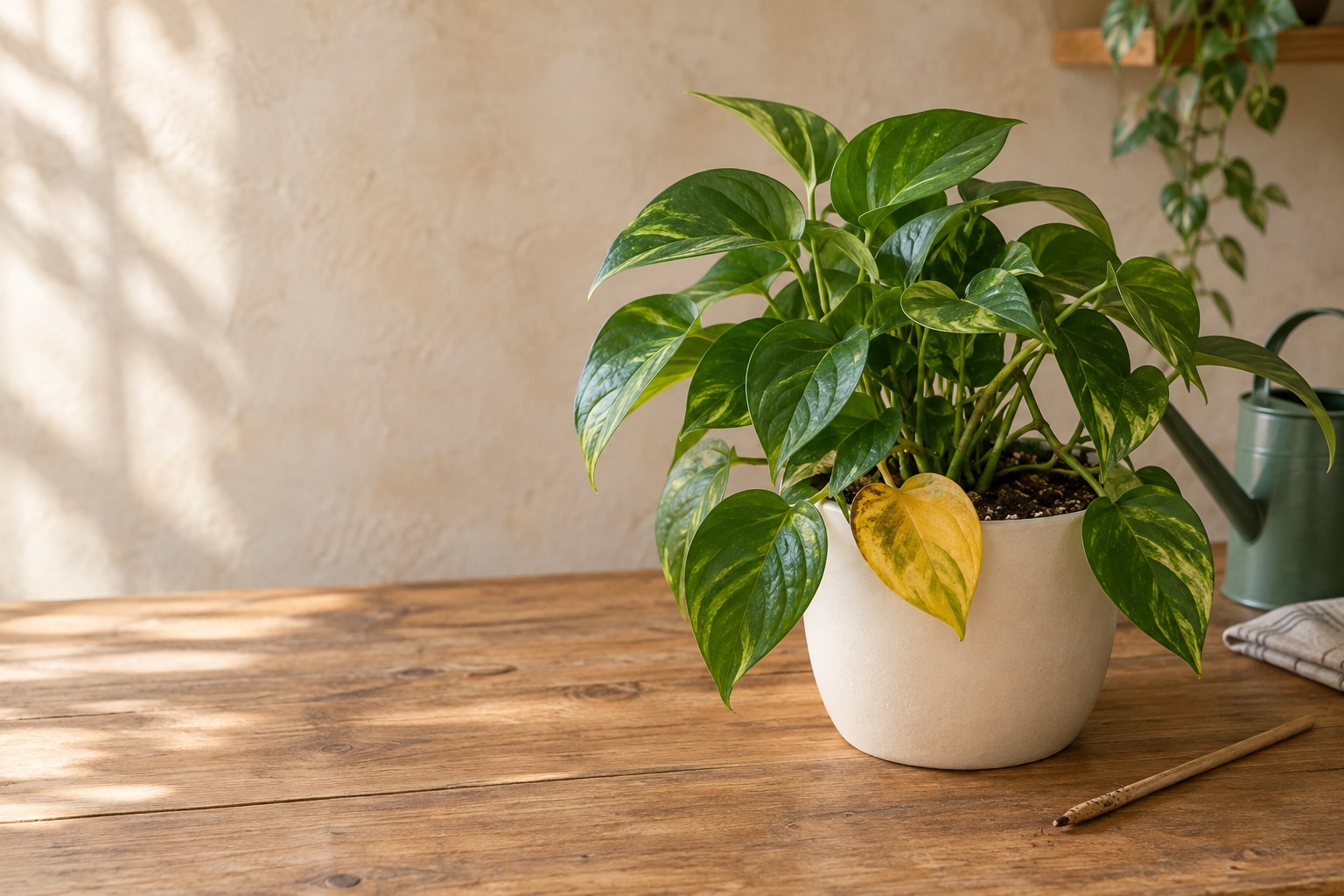
Take a photo showing the fig, pot and nearby window, plus a close-up of a leaf you want to follow. Choose a regular observation time and keep the camera angle consistent. Note whether the symptom is spreading, whether a new leaf has opened and what care occurred since the previous photo.
- Record a new location, closed blind or change in nearby heating or cooling.
- Write down the date and measured dilution of any plant food.
- Note recent repotting and any fertilizer already in the mix.
- Bring the record to an extension service if leaf loss or damage continues.
Common questions
Will fertilizer stop a fiddle-leaf fig from dropping leaves?
Not necessarily. Watering, light, temperature and other problems can contribute. Investigate the growing conditions before assuming a nutrient shortage.
Does a tall fiddle-leaf fig need concentrated Noot?
No. Keep the labeled dilution and measure the water volume. A larger plant is not a reason to apply concentrate directly.
Sources & further reading
- Ficus lyrataNorth Carolina Extension Gardener Plant Toolbox
- Horticulturists’ Favorite HouseplantsUniversity of Illinois Extension
- Caring for HouseplantsUniversity of Missouri Extension
- Noot plant-food directions and product informationNoot