Start here
The short answer
Do not automatically fertilize a houseplant on repotting day. Check whether the new mix already contains fertilizer and allow the plant to settle. The right restart depends on the mix, plant condition and product directions.
Read the new mix before opening plant food
Fresh potting mix may already contain fertilizer. Iowa State advises waiting at least two to four weeks before regular feeding after repotting and notes that a fertilized mix may supply nutrients longer. Treat that as general guidance rather than a universal deadline: a product’s stated feeding period and the plant’s condition still matter.
Save a photo of the bag, including any added fertilizer and its directions. “Fresh soil” is not enough information to decide whether another product should be added.
Separate repotting from a feeding problem
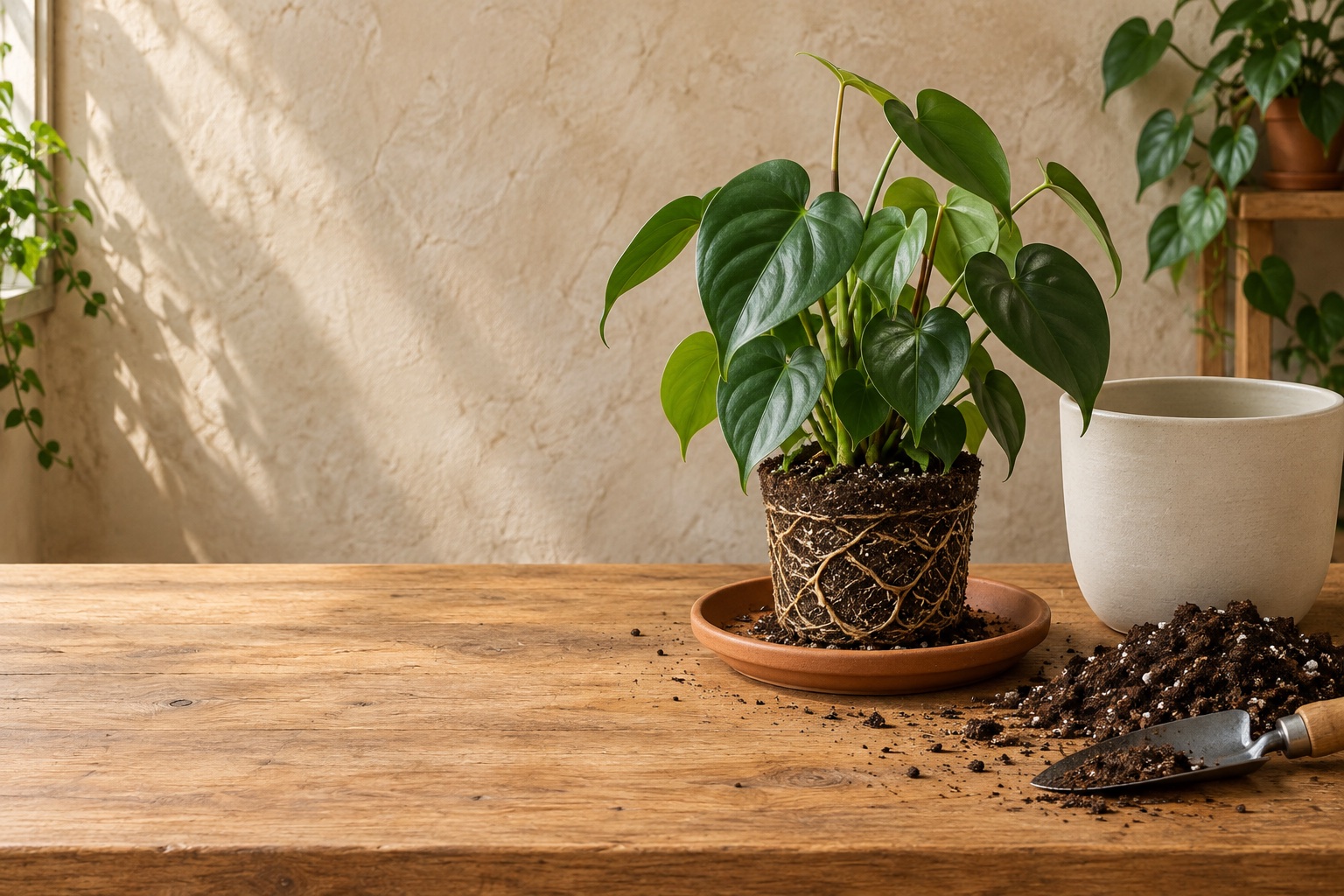
Clemson recommends repotting when needed, particularly during active growth. Roots circling densely, roots emerging through drainage holes or a plant that dries unusually quickly can prompt a closer look. Slow growth alone is not a reason to combine a larger pot, new mix and extra fertilizer in one intervention.
Write down the reason for the repot. A routine move for a crowded healthy plant is different from a rescue after root damage. Keeping that distinction in the record makes the next care decision easier.
Sources: Clemson Cooperative Extension
Make a simple aftercare note
Choose one place for the repotting details, such as a plant label or phone note. The aim is to make the next decision from something more reliable than memory. You do not need to photograph the plant every day or keep taking it out of the pot to check progress.
- Date, plant name and reason for repotting.
- Old and new container size, with confirmation that drainage is available.
- Mix name and any fertilizer already included.
- Whether roots were left intact or damaged sections were removed.
- Date of the next observation, rather than an automatic feeding reminder.
Resume Noot with a measured plan
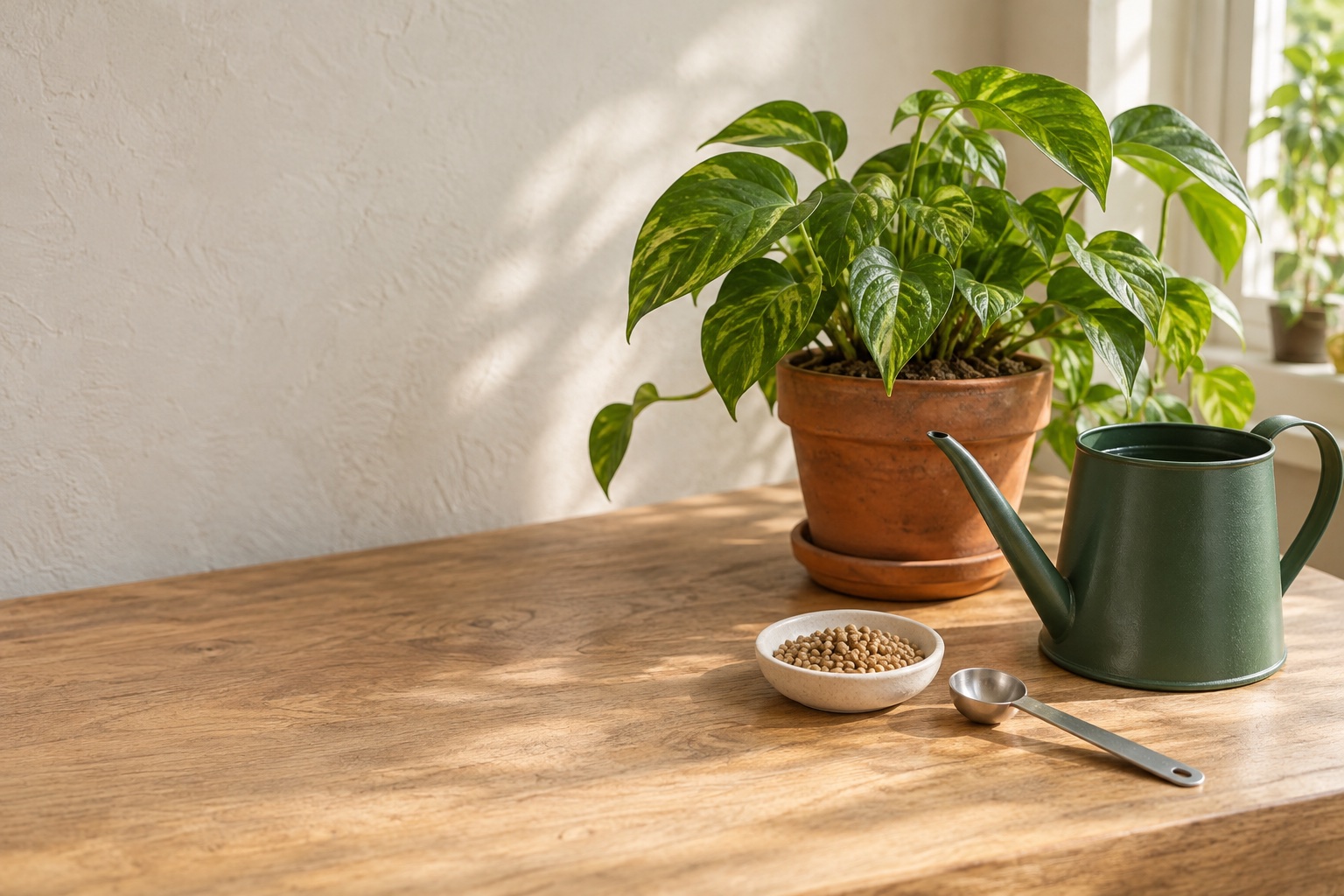
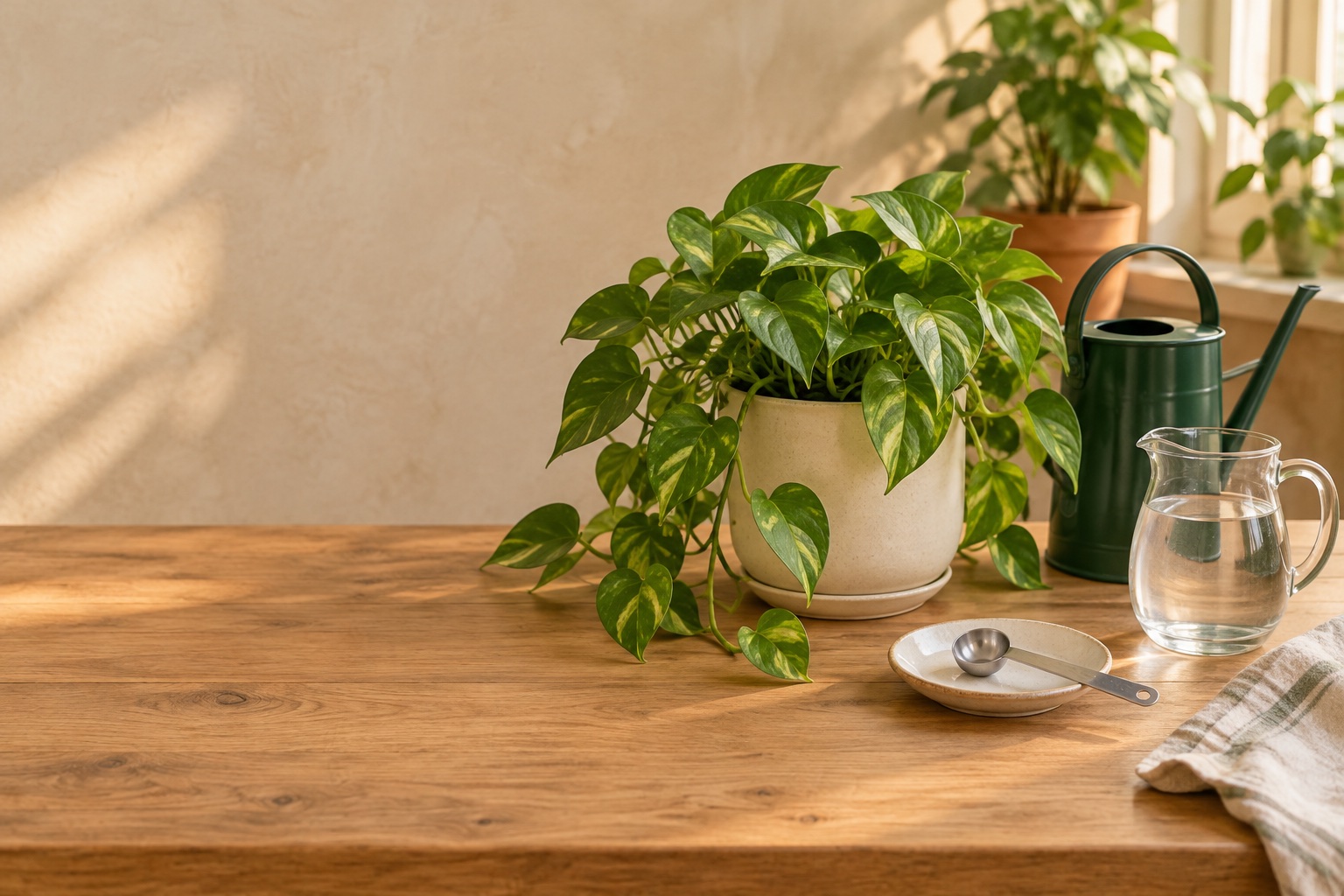
When feeding is appropriate for the new mix and recovering plant, follow Noot’s current label. The dilution is one teaspoon in half a gallon of water, used during normal watering. Never pour concentrate into a planting hole or onto exposed roots. The presence of microbes does not make a concentrated dose appropriate.
Check the plant finder for your variety. If the mix includes another fertilizer, review both products before combining them; do not assume that two separate full-rate routines belong together. Ask Noot Support if the combination or growing medium is unclear.
Sources: Noot
Two repots, two different next steps
Imagine two plant labels on your shelf. One says “healthy, moved up one pot size, mix includes feed.” The other says “root problem investigated, new unamended mix.” The first note tells you to check the mix’s feeding window before adding anything. The second tells you that condition and recovery need attention before a calendar-based restart.
Neither note calls for a stronger solution. Use a check-in to decide whether the original problem is resolved, whether the plant needs water, and whether feeding now fits the products you are using. Keep the first normal application date in the same record.
Common questions
Must every repotted plant wait exactly four weeks?
No. General waiting periods are a starting point; check the new mix’s fertilizer content, its directions and the condition of the plant.
Can I put Noot concentrate directly into the new pot?
No. Dilute one teaspoon in half a gallon of water and follow the label when normal feeding is appropriate.
Sources & further reading
- How to Care for HouseplantsIowa State University Extension and Outreach
- Indoor Plants – Transplanting & RepottingClemson Cooperative Extension
- Noot plant-food directions and product informationNoot